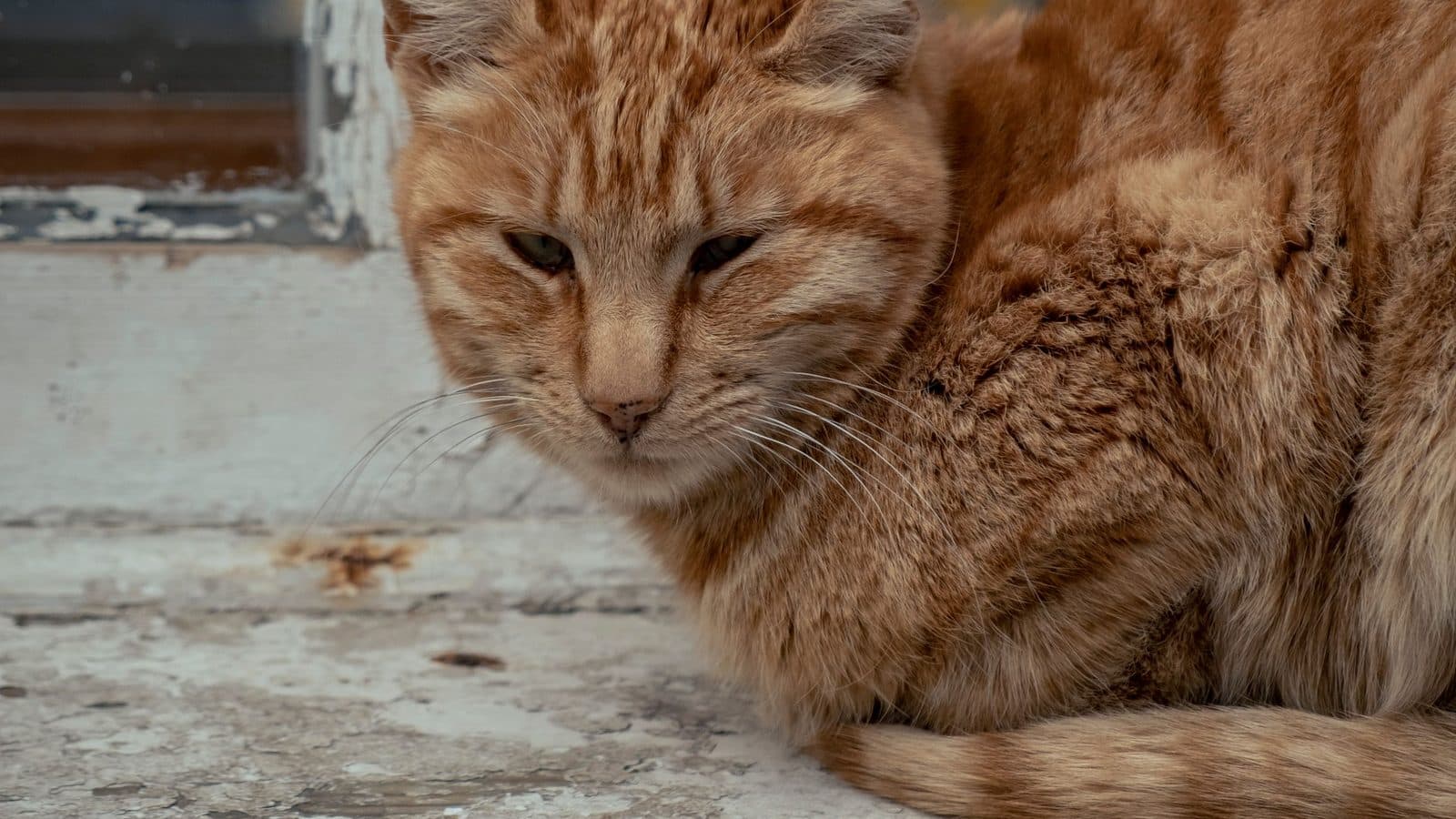
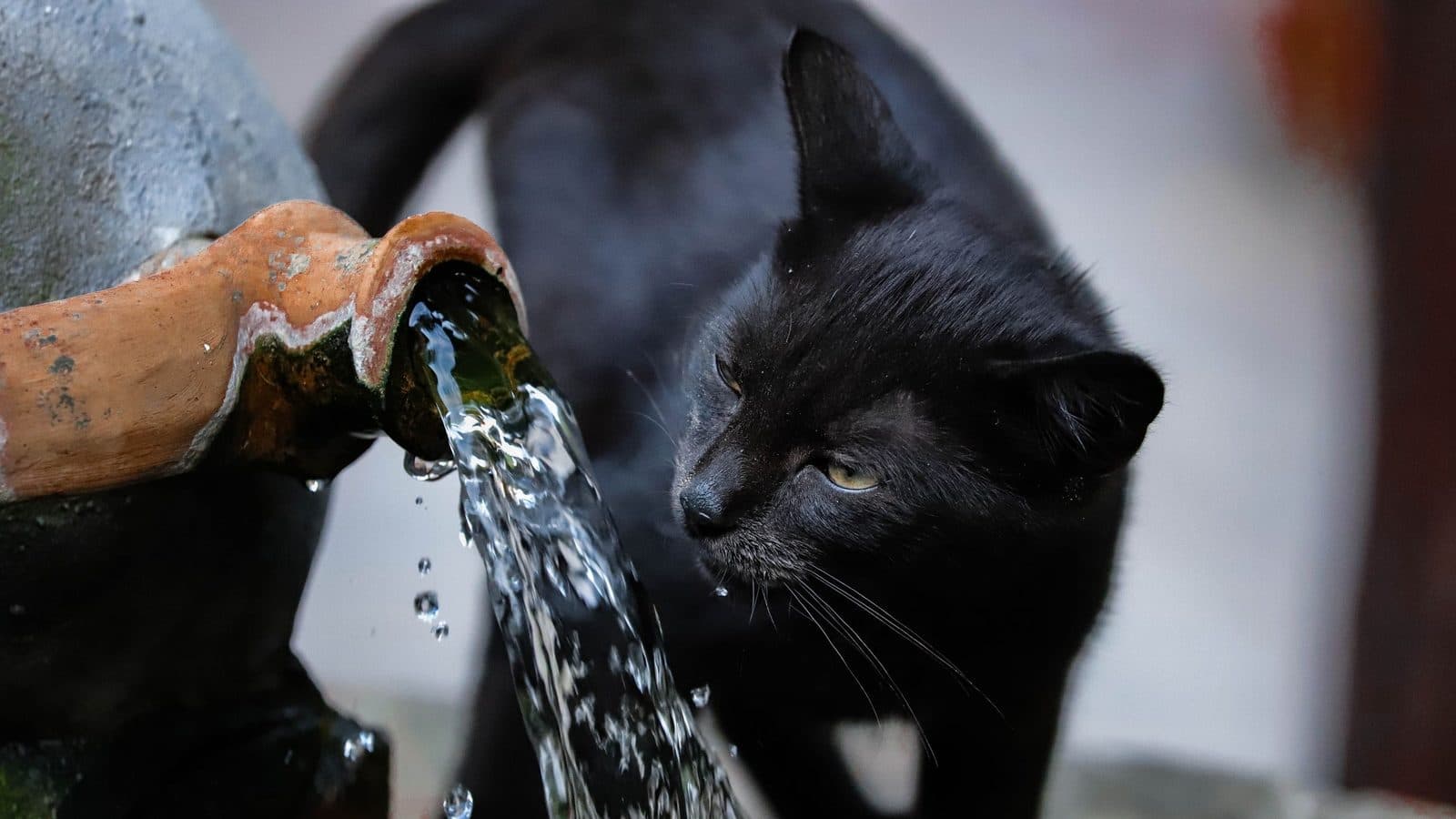
The signs of pain cats hide, and the list vets use to find them
A cat in pain does not cry or limp. It jumps a little less, grooms a little less, and sits slightly differently, and owners put it down to age. The behaviours vets actually look for, the face scale anyone can learn in five minutes, and what can be done once you know.
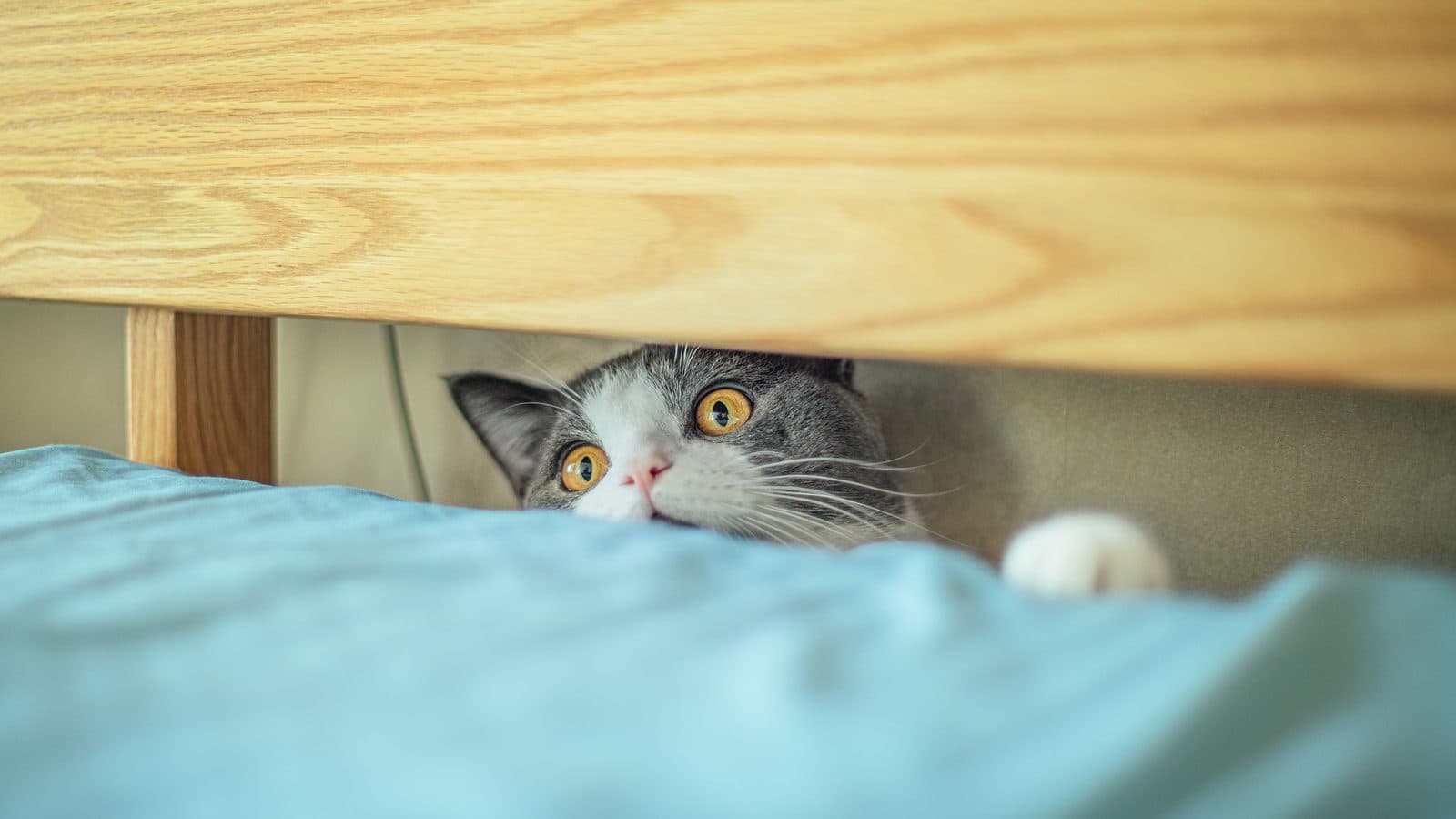
Dogs tell you. They limp, yelp, hold up a paw and look at you. Cats, as a species, do the opposite. They are small predators that are also prey, and for an animal like that, showing weakness is dangerous. So a cat in pain becomes quieter, stiller and more private, and carries on eating. It is a very effective strategy, and it works on owners as well as on foxes.
The result is that a great deal of feline pain is never treated, because it is never seen. When researchers X-rayed cats over twelve, around nine in ten had arthritis in at least one joint. Very few of their owners had noticed anything beyond "she's slowing down".
What pain looks like in a cat
A few years ago a group of veterinary pain specialists set out to agree which behaviours reliably mean a cat hurts. The list they ended with is strikingly undramatic. Almost nothing on it is a noise.
Moving differently
- Jumping less, jumping lower, or hesitating before a jump they used to make without thinking. Using a chair as a halfway step.
- Going up or down stairs one at a time, or bunny-hopping with the back legs together.
- A stiff or altered walk, especially after sleeping. Outright limping is the exception.
- Reluctance to move, or lying in one place far more than before.
Looking after themselves differently
- Grooming less, so the coat over the back and hips becomes greasy, matted or scurfy. A cat with sore hips cannot twist round to reach.
- Grooming or licking one spot a lot, sometimes until the fur thins. Over a joint it suggests the joint; on the belly it can be the bladder.
- Overgrown, thickened claws, because scratching a post hurts.
- Missing the litter tray or going next to it, because climbing over the side is painful or because squatting is. (This is one of the first things to rule out in our piece on cats that stop using the litter box.)
Behaving differently
- Hiding, or choosing to be alone more than they used to.
- Playing less, hunting less, greeting you less, rubbing against you less.
- A change of temper: a gentle cat who now hisses or swats when touched or picked up, particularly over the back or hips.
- Eating less, eating slowly, chewing on one side, dropping food, or approaching the bowl and walking away. Mouth pain is extremely common; painful tooth lesions affect a large share of adult cats.
- Sleeping in a new place, often somewhere lower or warmer, and sleeping hunched up rather than curled or stretched out.
Posture
- Sitting hunched with the feet tucked under and the head low, rather than in a relaxed loaf.
- Squinting, or eyes half closed when awake.
- A tense belly, or crouching with the back arched.
Any one of these can be nothing. The signal is a change, in a cat you know, that lasts more than a few days. And note what is not on the list: purring does not mean a cat is comfortable. Cats also purr when they are frightened, ill and in pain; it seems to be self-soothing as much as contentment.
The face: a five-minute skill
For sudden pain, there is a tool you can learn today. The Feline Grimace Scale was developed at the University of Montreal, is used in clinics worldwide, and has been shown to work nearly as well in owners' hands as in vets'. You look at five things on the face of a cat who is awake and not being handled:
- Ears. Facing forward is comfortable. Pulled apart and rotated outwards, flattening towards the sides, is not.
- Eyes. Open is comfortable. Narrowed or squeezed is not.
- Muzzle. Round and relaxed, or tense and drawn into an oval.
- Whiskers. Loose and curved, or straight, stiff and pointing forward.
- Head. Held above the shoulders, or dropped below them, chin towards the chest.
Each is scored 0, 1 or 2. A total of four or more out of ten means the cat very probably needs pain relief. There is a free app of the same name with photographs for each score. It is worth ten minutes with a cat who is well, so you know their normal face before you need to judge an abnormal one.
What is usually behind it
- Arthritis, by a distance, in any cat over about eight. Hips, elbows, knees and the lower spine.
- Dental disease: resorptive lesions, gum inflammation, broken teeth.
- Bladder pain: cystitis and crystals, with frequent trips to the tray, straining, or blood. A male cat who strains and passes nothing is an emergency, the same hour.
- Injuries: bite abscesses after a fight, sprains, a torn claw.
- Internal disease: pancreatitis, constipation, kidney problems, tumours. These tend to show as hiding, hunching and not eating.
What can be done, which is a lot
The reason to look for pain is that feline pain relief has changed completely in the last decade.
- Anti-inflammatories made for cats (meloxicam, robenacoxib) are licensed in Europe, including for long-term use at low doses, with blood tests to keep an eye on the kidneys.
- A monthly injection (frunevetmab, sold as Solensia) blocks a pain signal specific to arthritis. Many owners describe their cat as "five years younger" within a few weeks, and because it is not processed like a conventional drug it suits many older cats.
- Other medicines such as gabapentin help with nerve pain and with stressful vet visits.
- Dental treatment under anaesthetic. Cats with a painful mouth are often transformed within days of having the bad teeth out.
- Weight. Every extra half kilo is carried by sore joints. Slimming an overweight arthritic cat is as effective as a drug. There is a guide in is your pet overweight?
And the house can meet them halfway:
- a step or a sturdy box up to the sofa, the bed and the favourite windowsill;
- a large litter tray with one low side, on every floor they use;
- food and water raised a few centimetres, and not at the top of a climb;
- a warm, padded bed somewhere draught-free, since warmth eases stiff joints;
- a soft brush a few times a week for the parts they can no longer reach, and claws trimmed.
Never give a cat a human painkiller. Paracetamol is fatal to cats, even a fraction of a tablet. Ibuprofen and aspirin cause kidney failure and ulcers. Many dog medicines are not safe either. There is no household remedy here; there is only the vet.
Turning a suspicion into an appointment
"She seems a bit old" does not get a cat treated. Specifics do.
- Film it. Thirty seconds of the cat walking across the room, jumping down from the sofa, or using the stairs. Cats freeze on a consulting table and show none of it; the video is often what makes the diagnosis.
- Note the changes and when they started, on the cat's profile in mypet care or anywhere you will keep it: stopped jumping onto the wardrobe in June, matted over the hips since August.
- Weigh monthly. Weight loss in an older cat always means something.
- Ask directly: "Could this be pain, and can we try treating it?" A two- or three-week trial of pain relief is a perfectly reasonable test, and the answer is often obvious by the end of it.
The kindest assumption to drop is that slowing down is simply what old cats do. Often it is what cats in pain do, and those are not the same thing.