Your cat stopped using the litter box. It's medical first, then a checklist.
House soiling is the number-one reason cats lose their homes, and it is almost never spite. The first call is the vet — and for a male cat that is straining, it is an emergency. Then the box itself, and it usually is the box.
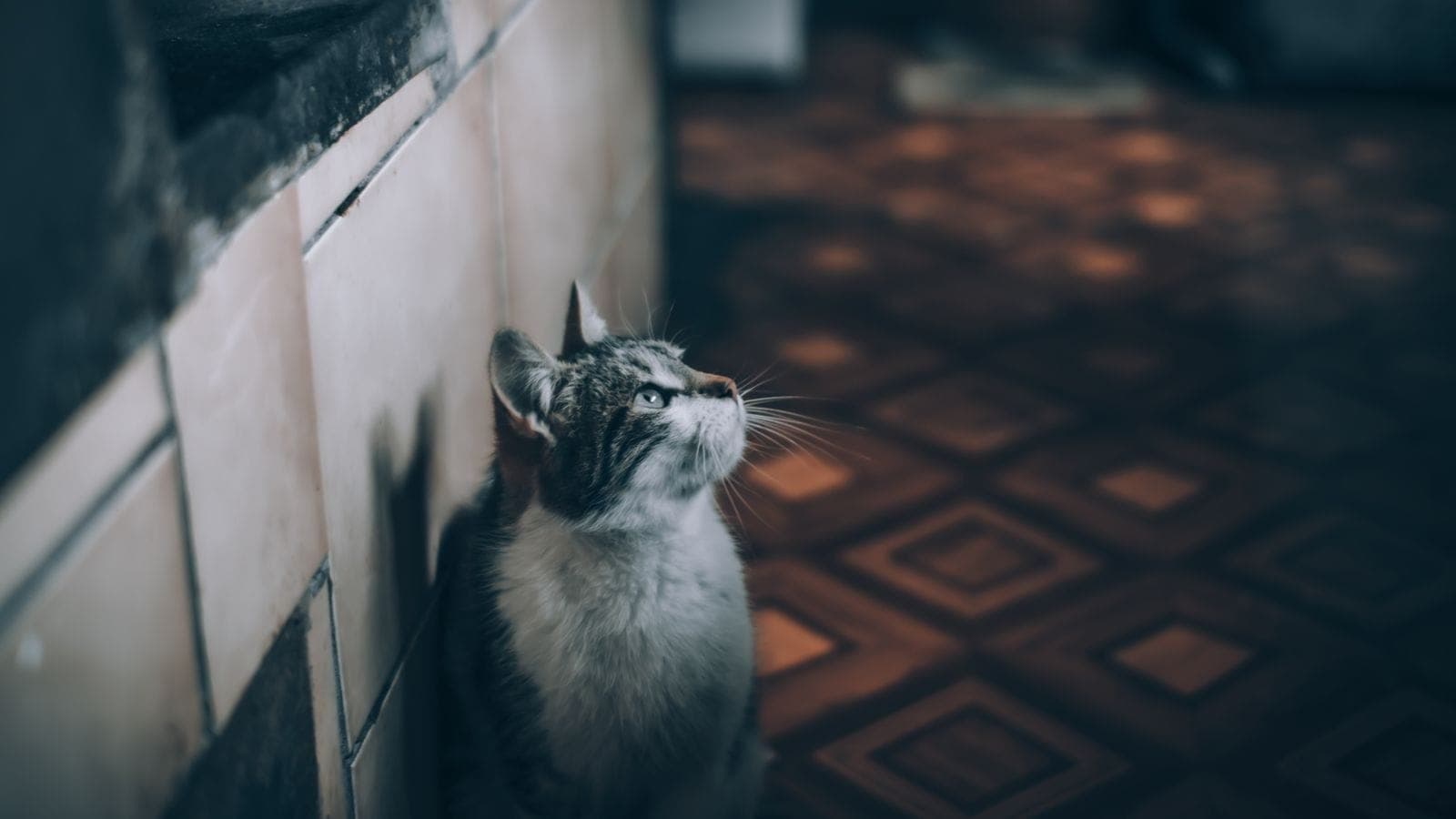
A cat that has used its tray for years and starts going on the bathmat is not being spiteful. Cats do not do spite. Something has changed — in the cat, or in the box — and the cat is telling you the only way it can.
This is the most common behaviour problem cat owners report, and the one that most often ends with the cat in a shelter. Which is a shame, because most cases are fixable once you look in the right order: the cat first, the box second, the household third.
Step one: the vet, and one case that cannot wait
A cat that suddenly pees outside the box is, until proven otherwise, a cat that finds peeing uncomfortable. It associates the pain with the place, and stops going to the place. The usual suspects:
- Cystitis and bladder inflammation — very common, often stress-related, and the classic cause of small, frequent pees in odd places.
- Crystals or stones in the urine.
- Kidney disease, diabetes, an overactive thyroid — all make a cat drink and pee far more, so the box fills faster and the cat runs out of patience with it. If the water bowl is emptying quicker than it used to, say so at the vet.
- Arthritis, in cats over ten. A box with high sides and a stiff cat is a box that hurts to climb into. The cat pees beside it.
One thing is an emergency. A cat — almost always a male — that keeps squatting and straining and produces nothing, or only drops, cries in the box, or licks at its rear repeatedly: that can be a blocked urethra. A blocked cat can die within a day or two. This is not "see how he is tomorrow". It is the vet now, tonight if it's night.
For everything else, book an appointment and bring a description: how often, where, how much, urine or faeces or both, and whether it is a puddle or a spray up a wall. The vet will want a urine sample; ask them how to collect one.
Step two: the box. It is usually the box.
Once the cat is cleared, go through this list honestly. Most people find the problem here.
How many. One box per cat, plus one. Two cats, three boxes. Cats do not like to queue, and many will not use a box another cat has used.
How big. Bigger than you think — about one and a half times the cat's length. Most boxes sold are too small. A large storage tub with a hole cut in the side is bigger, cheaper and cats prefer it.
Covered or open. Covers hold in smell, which we like and cats do not. Many cats are fine with a hood; the cat with a problem often isn't. Take it off and see.
Which litter. Most cats prefer fine-grained, unscented, clumping litter. Scented litter is for people. If you changed brand or type recently, that is a suspect all on its own; change back, and if you must switch, mix the new in over two weeks.
How clean. Scooped at least once a day, every day. Emptied and washed with hot water and mild soap — not bleach, not anything that smells — every week or two. A cat's nose is far better than yours; a box that seems fine to you may be unusable to the cat.
Where. Quiet, easy to reach, with more than one way out, and not next to the food. Not in the utility room beside a washing machine that goes off at random. Not down a flight of stairs an old cat no longer likes. If you have moved the box recently, that alone can do it. In a multi-floor home, a box on each floor.
What the cat is doing. A cat squatting and leaving a puddle on a flat surface is toileting. A cat backing up to a wall, tail quivering, leaving a spray at nose height is marking — a different problem with a different cause, usually another cat, a new person, or an unneutered cat. Neutering resolves most marking in males; for the rest, the answer is in step three.
Step three: the household
If the cat is healthy and the box is right, something in the cat's world has changed. Cats hate change and show it here.
A new cat, a new baby, a new partner, a house move, a change of furniture, a neighbour's cat visible through the window, a cat flap another cat has come through — all of these are common triggers. You may not be able to remove the cause, but you can usually reduce it: block the view of the window, add hiding places up high, keep routines fixed, give each cat its own resources (food, water, beds, boxes) in separate places so nobody has to compete. A plug-in pheromone diffuser helps some cats and does nothing for others; it is cheap enough to try.
The two things that make it worse
Punishment. Rubbing the cat's nose in it, shouting, spraying it with water. This teaches the cat that you are dangerous when it toilets, so it toilets where you will not see. Never, and it makes the problem harder to fix.
Cleaning with the wrong thing. Ammonia-based cleaners smell like urine to a cat and mark the spot as a toilet. Use an enzymatic cleaner made for pet urine, soak the spot properly, and let it dry. For a mattress or a sofa, this may take more than one go.
If it still isn't working
Some cats need to re-learn. Confine the cat, kindly, to one room with its bed, food and water at one end and a clean box at the other, for a few days. Cats will not soil their own small space, so they use the box; then the room gets gradually bigger. It feels unkind and it is not — it is how you reset a habit.
And keep notes. A line a day — where, when, what — for two weeks shows the pattern you cannot see in the moment: that it is always after the neighbour's cat visits, or only on the days the box was not scooped. That is what we built the health history in mypet care for. Bring the notes to the vet or the behaviourist and you will have skipped the first three appointments.