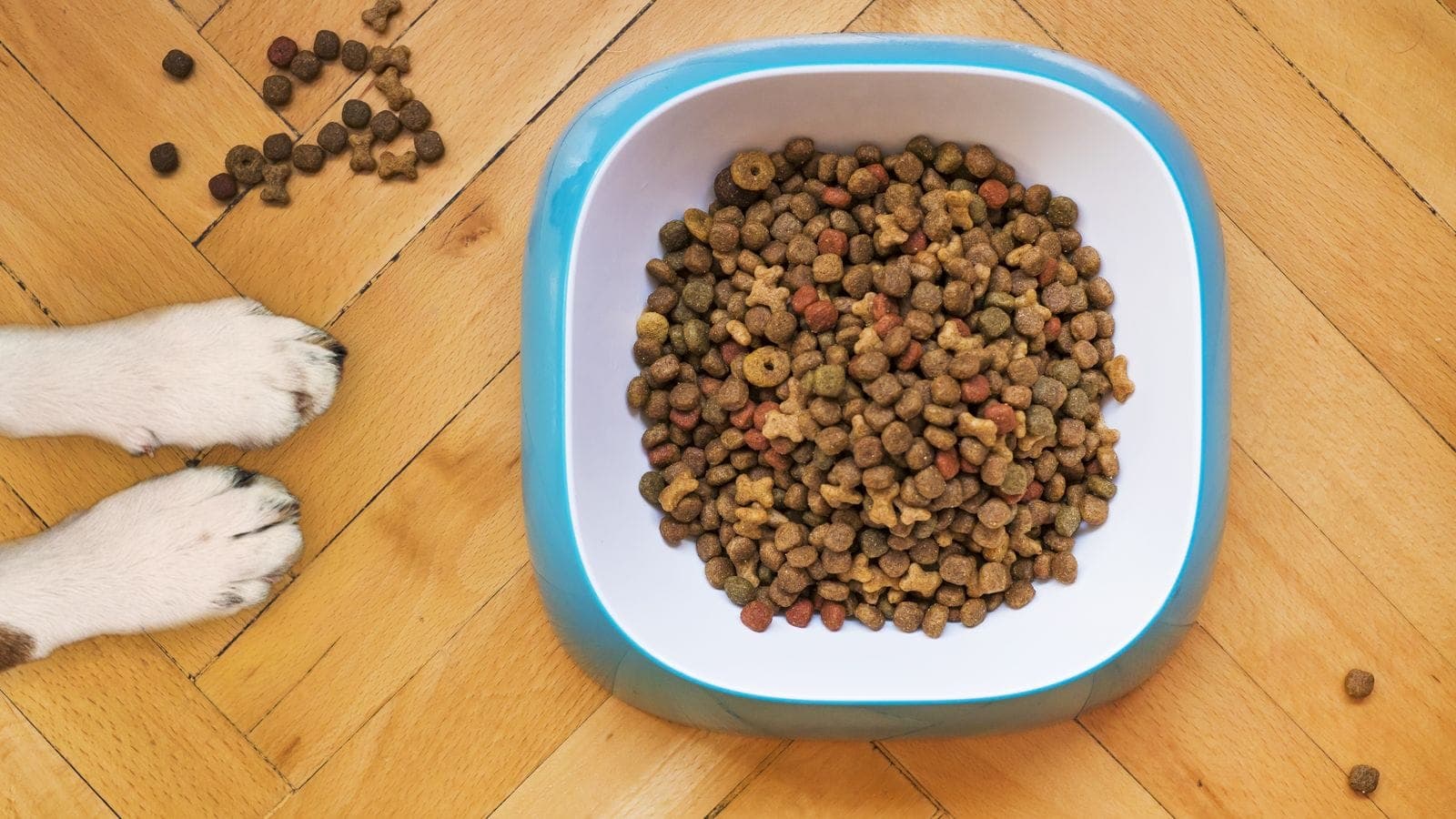
Lost pet: what actually helps in the first day
Most lost cats are within a few houses of home, and a frightened dog will not come to its own name. The first day decides more than any later one — what to do in the first ten minutes, where a found animal actually ends up, and the text message that is a scam.
The first day is the one that decides most. Not because a pet is lost for good after it — plenty come home after a week — but because everything that works gets harder with every day that passes: the animal moves further, the people who saw it forget, and the poster you did not put up is not being read.
Two things go wrong more than any other. People wait a day because "she always comes back". And people chase.
Cats and dogs do the opposite of what you expect
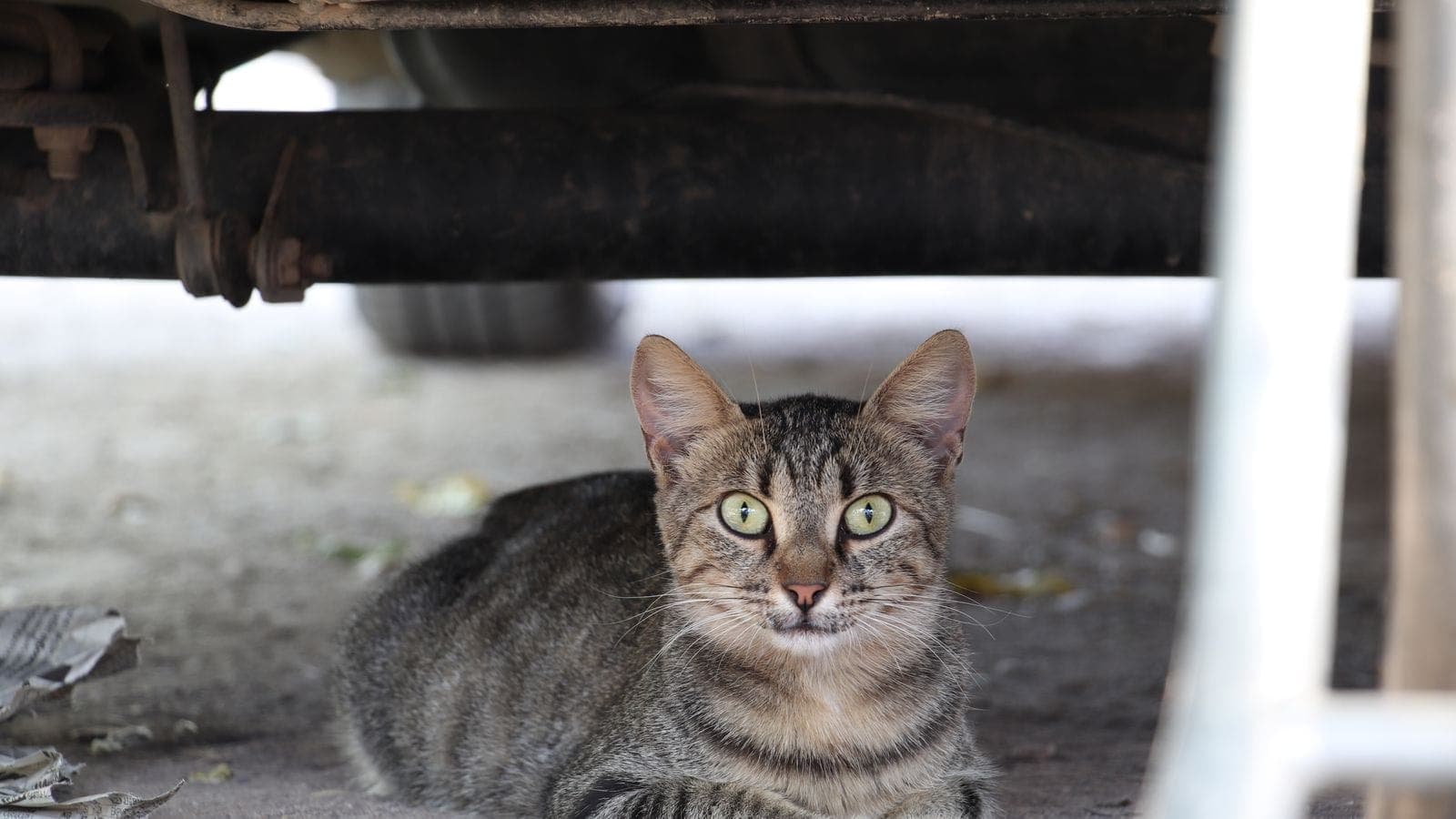
An indoor cat that slips out does not run. It goes to ground. Nearly always within a few houses of home — under a shed, a car, a hedge, behind a bin — and stays there, silent, for days. It will not answer you. A cat that has always come when called will sit two metres from you in the dark and not make a sound, because a frightened cat's whole strategy is not being noticed.
So the search for a cat is low, slow and after dark. Dusk and the small hours are when a hiding cat moves. Go out with a torch, look under everything at ground level, and look for the eyes. Talk quietly. Shake the food. Do it every night, not once, and widen the circle a house at a time. Leave the door you think it left by open a crack at night if you can, with something that smells of home beside it.
A dog is the other way round. A frightened dog runs, and a dog in that state will not come to its own name — not to a stranger and, hard as this is, often not to you. If you run at it, it runs. So when you see your dog and it does not come: stop. Sit or crouch, turn sideways, look away, and put food down. Let it decide. A dog that has bolted from somewhere will often circle back to that spot over the following hours, so leave something with your scent there — a worn jumper, its bed — and check it at the times it would normally eat.
The first ten minutes, before you leave the house
The microchip. A chip is not a tracker. It is a number, and the number points to a phone number in a registry. Ring the registry your pet is chipped with, mark the animal as lost, and — this is the part that matters — check the phone number they hold is the one in your pocket right now. A remarkable number of chips point to an old number, an old address, or the breeder. If you do not know which registry holds your pet, Europetnet lets anyone type in a chip number and see which national database has it; it covers 26 European countries.
One good photo. Recent, from the side, showing the whole animal and any marking that makes it recognisable. You are about to send this to twenty people.
Write down the facts once. Name, species, breed or type, colour, size, sex, whether it is chipped, whether it was wearing a collar, the street and the time. Every call and every post will ask the same questions, and you will be too rattled to remember your own phone number.
Where a found animal actually goes
In most European countries, someone who finds an animal is expected to hand it in or report it to the municipality or the local shelter, and any vet will scan a chip for free. That means the people to tell are not "everyone" — they are the shelters, the municipal animal service and the vets within a few kilometres. Ring them, then email the photo and the facts so they have it in writing, and ring again on day two and day three, because animals arrive after you called and the person on the phone changes. Ask each one how long they hold an animal before it is rehomed. It is shorter than you would think.
The poster, not just the post
An online post reaches the people who happen to be on their phone. A poster on a lamp post reaches the people who walk past that corner at the same time every day, which is the person who saw your cat under a car at seven this morning.
Keep it simple: one word — LOST — one large clear photo, the colour and size, the street and the date, your number. Nothing else. Print it big enough to read from a car. Put it where people pause: crossings, bus stops, the shop, the school gate, the entrance to the park. Hand copies to the people who cover the whole neighbourhood daily — post and delivery drivers, dog walkers, the person who cleans the stairwells.
Online, the useful posts are in the local lost-and-found groups for your area, with the photo, the street and the date, and nothing sentimental. Update the same post rather than making new ones; people share the one they have already seen.
The message that is a scam
Within hours of posting, you may get a text from a number you do not know: they have your pet, they will send a photo — but first they need to "verify you are real", so they will send you a six-digit code, and could you forward it back?
Do not. The code is a verification code for a phone account they are opening in your number's name, and once they have it they are gone. The variation is a caller who has your pet and needs a fee, a transfer or a gift card before they can bring it. Anyone who genuinely has your animal can photograph it right now, in front of a newspaper if you like, and can tell you the thing only someone holding it would know — the marking that is not in the poster. Never pay before you have seen your pet.
Keep the facts where you can reach them
The ten minutes above go faster if the chip number, a good photo and the description are already in one place. A note on your phone is fine. We built the Pet ID card and the lost-pet alerts in mypet care for the same reason: so the facts are ready on the worst morning, not being looked up.
And when the animal is home — most are — ring the registry to mark it found, take the posters down, and tell the groups. The next person searching that neighbourhood needs to know which cat is no longer missing.