What to bring to a vet appointment, and what to write down after
Ten minutes in a consulting room goes quickly. A short list of what to prepare beforehand, and the four things worth noting down before you get back to the car.
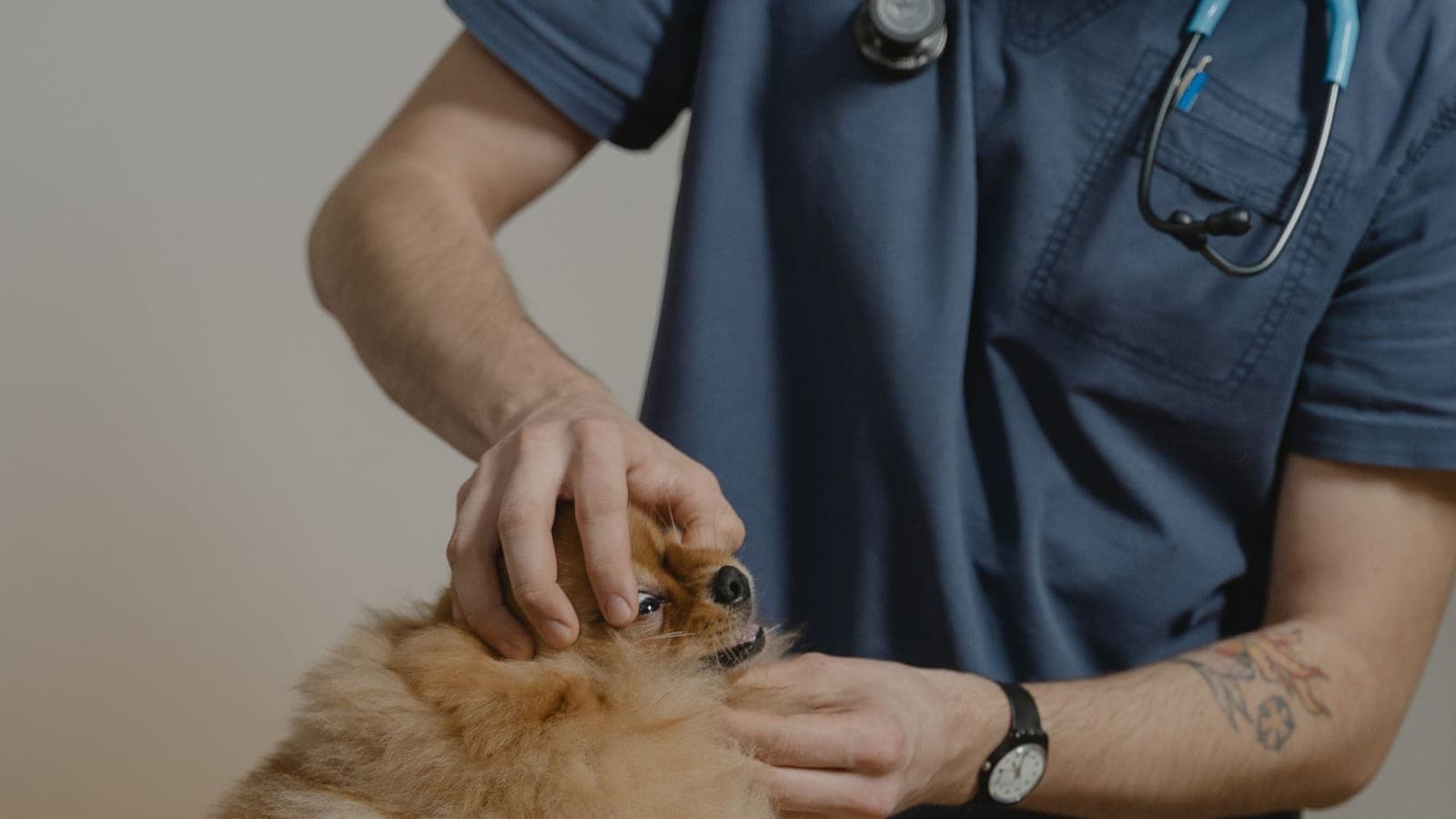
A routine consultation is about ten minutes. That is not very long, and a surprising amount of it gets spent reconstructing information you already had but couldn't lay your hands on.
Preparing properly costs you five minutes at home and buys back most of the appointment.
Before you go
A written timeline of the problem. Not a diagnosis — a sequence. When did it start? Has it got worse, better, or stayed the same? Is it constant or does it come and go? Does anything make it better or worse? Vets are diagnostic detectives, and this is the evidence.
A video, if it's intermittent. Limps, coughs, tremors, odd behaviour — these have a habit of vanishing the moment you walk into the practice. Thirty seconds of phone footage of the actual thing is worth more than three paragraphs of your best description.
Recent weight, if you have it. Weight change is one of the most useful signals in veterinary medicine and one of the least reliably remembered by owners. "He's about the same" is not data.
What they're currently on. Every medication, supplement and parasite treatment, with doses if you know them. A photograph of the packaging is absolutely fine and often better than trying to recall a name.
What they eat. Brand, type, how much, how often, and honestly what else they get. The dog who is "only on prescription food" and also receives half a slice of toast every morning is an extremely common animal.
Your actual questions, written down. You will forget at least one. Everyone does. Write them in order of what matters most, because you might not get through all of them.
A note on the carrier
If it's a cat, get the carrier out a day or two early and leave it open in the room they like, with a blanket in it. A carrier that appears once a year and immediately means a car journey is a carrier your cat will learn to fear — and a frightened cat is harder to examine, which makes the appointment worse for everyone.
Before you leave the car park
This is the part almost nobody does, and it's the part that pays off months later. Sit for two minutes and write down four things.
What was actually said. Not your summary of the mood of the room — the findings. "Left ear infection, moderate" rather than "he said it wasn't too bad." You will remember the tone and forget the specifics.
Any medication and the exact instructions. Dose, how often, how many days, and — critically — whether to finish the course even if things improve. Most courses are stopped early because the animal seemed better, and a fair number of repeat visits start there.
What to watch for. Vets almost always say something like "bring him back if it hasn't settled in a week" or "call us if she stops eating." That sentence is a tripwire, and it is worth writing down as a specific date rather than a vague sense of "soon."
When they want to see you again. Then book it, or at least put it somewhere you'll see it.
Why the record matters more than any single visit
The value of all this isn't in one appointment. It's that in eighteen months, when something looks slightly off, you can answer questions like "has this happened before?" and "what was her weight in the spring?" with a fact instead of a shrug.
Most owners keep this information — it's just spread across a drawer, a text message, a photo of a label, and a memory. Pulling it into one place is not a sophisticated act, but it's the difference between a history and a hunch.
That's the job mypet care is built to do: weight, vaccinations, treatments and notes in one timeline you can actually show someone. Though if your system is a notebook that lives with the lead, that works too.
This is practical guidance about preparing for appointments, not veterinary advice, and nothing here replaces what your own vet tells you about your own animal.