Laminitis: the autumn grass danger, and the two weeks that decide a horse's feet
Laminitis is not a spring-only problem. Autumn grass after rain is as dangerous as May, and most cases now trace back to a hormone condition rather than a feed-room accident. The early signs, the first hours, what the vet will test, and how to keep a good-doer off the danger list.
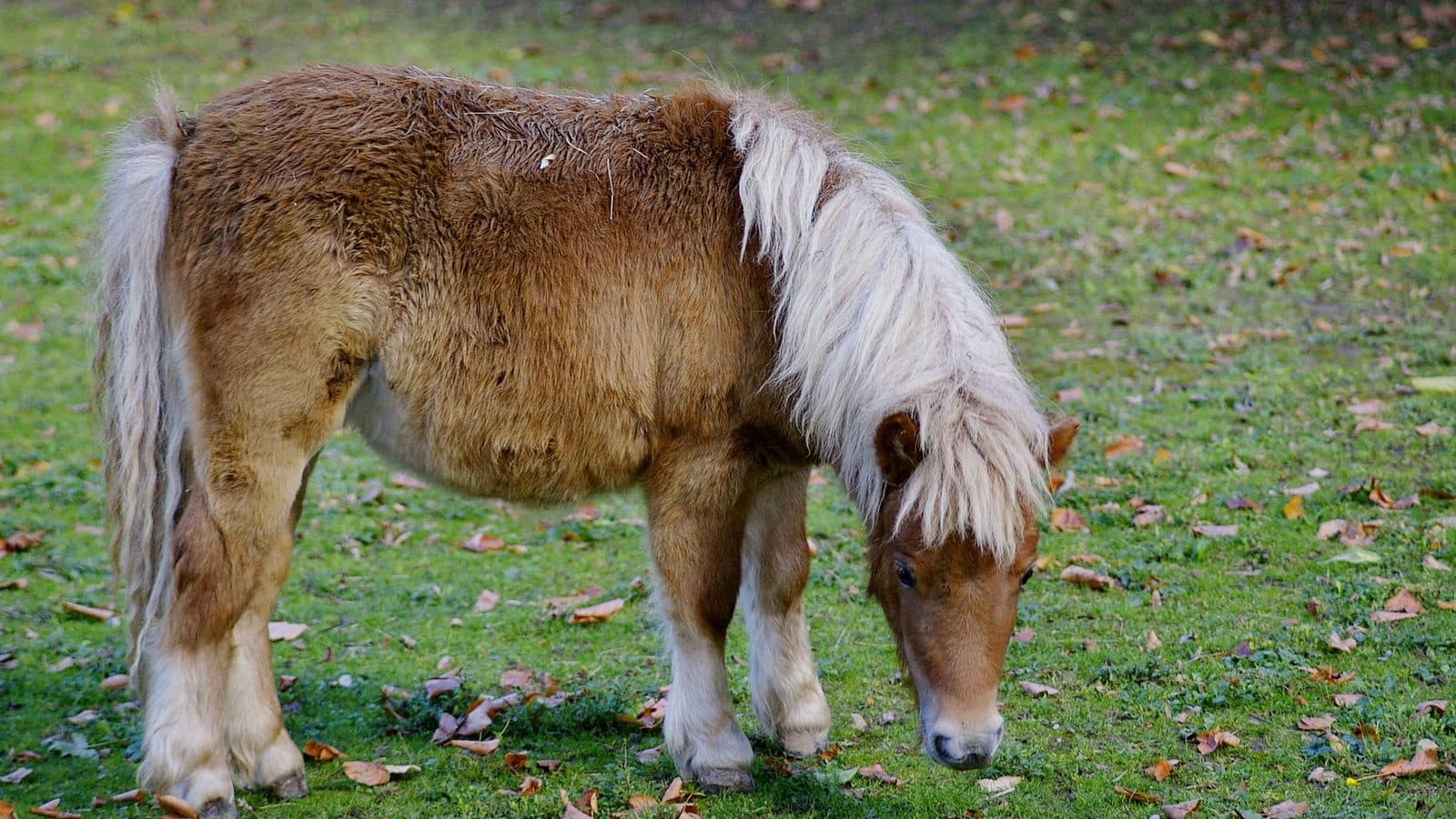
Every September, as the rain returns after a dry Mediterranean summer and the paddocks green up overnight, equine vets across southern Europe start the same run of calls. The horse is standing oddly. The pony will not come in from the field. The mare who was fine on Tuesday is rocking back on her heels on Thursday.
Laminitis, inflammation of the tissue that holds the hoof onto the bone inside it, is the second biggest killer of horses after colic, and the season most owners forget about is this one. Spring grass gets the warnings. Autumn grass, flushed with sugar after rain and stressed by cold nights, is every bit as dangerous, and by autumn a summer of good grazing has already left many horses heavier than they were in April.
What is happening in the foot
Inside the hoof, the pedal bone is suspended from the hoof wall by thousands of tiny interlocking leaves of tissue, the laminae. Laminitis inflames and weakens them. In a mild case the horse is sore and recovers with rest and the right care. In a bad case the leaves let go, the bone rotates or sinks inside the hoof, and the horse is crippled, sometimes permanently. The difference between the two is very often the speed of the response in the first day or two.
Where it comes from
The old picture was a pony that got into the feed room. That still happens, and so does the laminitis that follows a serious illness or weight-bearing on one leg after an injury to the other. But the great majority of cases seen today, perhaps nine in ten, are hormonal:
- Equine metabolic syndrome, essentially insulin resistance, in overweight horses and ponies and in the native and "good-doer" types, which puts them a sugary meal away from an attack.
- Cushing's disease (PPID) in older horses, roughly one in five over fifteen, which does the same through a different hormone. An older horse with a long, curly coat that does not shed, drinks a lot and has odd fat pads is a horse to test.
In both, the trigger is sugar and starch: grass in a growth flush, a bag of feed, a net of rich hay. Which is why the risk is a matter of season as much as of diet.
The signs, from earliest to unmistakable
Early, when it is most worth catching:
- a shortened, "pottery" stride, particularly on hard ground or on a turn;
- reluctance to walk from the field, or to pick up a foot for the farrier;
- shifting weight from foot to foot when standing, or lying down more;
- heat in the front hooves, felt by hand, and a stronger digital pulse than usual at the back of the pastern. Learn to feel this pulse on a healthy day, so you know what a bounding one feels like.
Established:
- the classic stance: front feet stretched out in front, weight rocked back onto the hind legs, a horse that does not want to move at all;
- pain on hoof testers over the toe;
- in a bad case, a horse that lies flat and will not rise.
Long before any of that, the shape of the foot tells you it has happened before: rings around the hoof wall that are wider at the heel than at the toe, a stretched white line, a dropped sole, a dished front. A farrier sees these every day; ask.
The first hours
Laminitis is an emergency in the same way colic is: the sooner it is treated, the less damage is done. Do not wait to see whether it improves overnight.
- Ring the vet. Say the word laminitis. It gets a faster response.
- Stop the sugar. Off the grass, now, and no hard feed. Soaked hay (an hour in water, then drained) removes much of the sugar and is the safe food while you wait.
- Stand the horse on deep, soft bedding. Shavings or sand, deep enough to support the sole of the foot, in a small stable. No walking "to loosen up": every step tears the damaged laminae further.
- Cool the feet. Standing the front feet in cold water or ice, kept below about 10 °C, for the first day or two is one of the few things shown to reduce the damage. A pair of buckets or a wet feed bag with ice in it will do; the vet will say for how long.
- Note when it started, what the horse ate, and its weight. These decide the treatment.
The vet will give strong pain relief, often X-ray the feet to see whether the bone has moved, fit frog supports or special pads, and, this is the part that has changed most, take blood to test for the hormonal causes. Treating the insulin problem or the Cushing's is what stops the next attack; treating the feet alone treats the symptom.
The weeks after
A horse recovering from laminitis is on box rest on soft bedding for weeks, on soaked hay and a balancer, and off the grass until the vet and farrier say otherwise, which can be months. The farrier's trims in this period, to realign the hoof wall with the bone, are as important as the medicine, and the farrier and the vet need to be talking to each other, ideally over the same X-rays.
It is slow, and it is dull, and a great many relapses happen because a horse that looked sound was turned out a fortnight early.
Keeping a horse off the danger list
Prevention is less dramatic than treatment and works far better.
- Weight. The single biggest factor. A horse or pony that is overweight going into autumn is the one that founders. Learn to body- condition score, or ask your vet to, and use a weigh tape monthly. A cresty neck that stays firm is a warning sign in itself.
- Grazing. In the flush months, spring and autumn, restrict it: a grazing muzzle for part of the day, a strip-grazed or bare "track" paddock, or turnout at night and early morning when grass sugars are lowest. Grass that has been frosted or is short and stressed after rain is the most sugary of all, not the least.
- Hay. Analyse it if you can; below about 10–12 % water-soluble carbohydrate is the target for a laminitic. Soaking cuts the sugar in ordinary hay; steaming does not.
- Feed. No cereals, no molassed feeds, no "cool" mixes that are cool in name only. A low-sugar balancer and salt, and that is often all.
- Test the older horse. A Cushing's blood test from fifteen onwards, in autumn when it is most accurate, and a daily tablet if it is positive. Managed Cushing's rarely causes laminitis; unmanaged Cushing's does.
- Feet. Regular, balanced trimming, every six to eight weeks, and a farrier who knows the horse's history. We wrote about the farrier budget in what a horse costs per year.
- Watch the season. The first rain after a dry summer, the first frosts, a warm week in February: these are the weeks to check the digital pulse every day and to bring a good-doer in off the grass before anything happens.
Keep the record
A laminitic horse is a horse with a history that every vet, farrier and future owner needs: the date of each attack, what triggered it, the X-rays, the blood results, the current medication and the weight over time. Kept on a phone rather than in a folder, it is with you in the field when the pulse is bounding at seven in the morning. The vet visits, the weight chart and the reminders in mypet care are built for exactly that, and a horse goes in under "other" until we add the species.
Laminitis is common, and it is largely preventable, and the prevention is mostly weight and grass. The horse that avoids it is not the lucky one; it is the one whose owner was checking the pulse in September.