Limping: the difference between a sore paw and a cruciate, and how to tell which you have
Most limps are a cut pad, a torn nail or a knock that is better in two days. Some are a torn ligament that gets worse with every walk. How to check the paw yourself, which leg is which, what a cruciate limp looks like, what needs a vet today, and why "rest it and see" has to mean real rest.
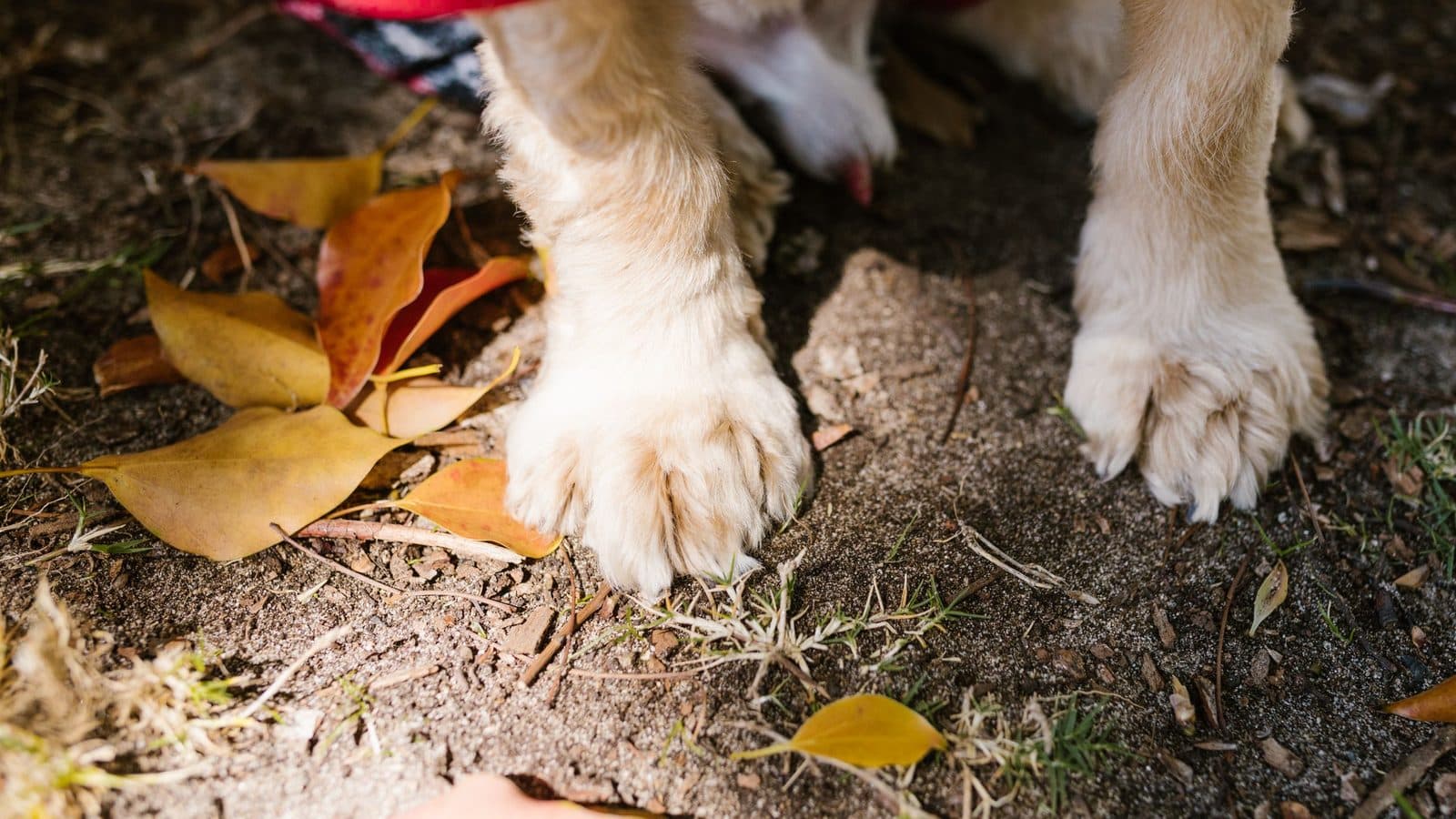
Your dog comes in from the walk holding a paw up. Or the cat jumps off the sofa and lands on three legs. Or nothing happened at all and there is a limp at breakfast that was not there last night.
A limp is one of the commonest reasons to ring a vet and one of the most useful things an owner can learn to read, because the two ends of the range look similar for a day and then go in opposite directions. A sore pad is better by Wednesday. A torn ligament is worse by Wednesday, and every walk in between has done a little more harm.
First: which leg, and how bad
Which leg. With a front-leg limp the head bobs up as the sore leg hits the ground and down on the good one, because the animal is trying to keep weight off it. With a hind-leg limp the hip on the sore side rises and the stride on that side shortens. Filming a few steps on your phone, from the side and from behind, on a hard surface, will show you what you cannot see in real time, and the vet will thank you for it.
How bad. Vets grade lameness from barely visible to non-weight- bearing. What matters at home is the difference between:
- a limp the animal walks through (weight goes on the leg, the stride is short);
- a leg that touches down but takes no weight ("toe-touching");
- a leg held up entirely.
The last two are not "see how it is in the morning" limps.
Check the paw yourself
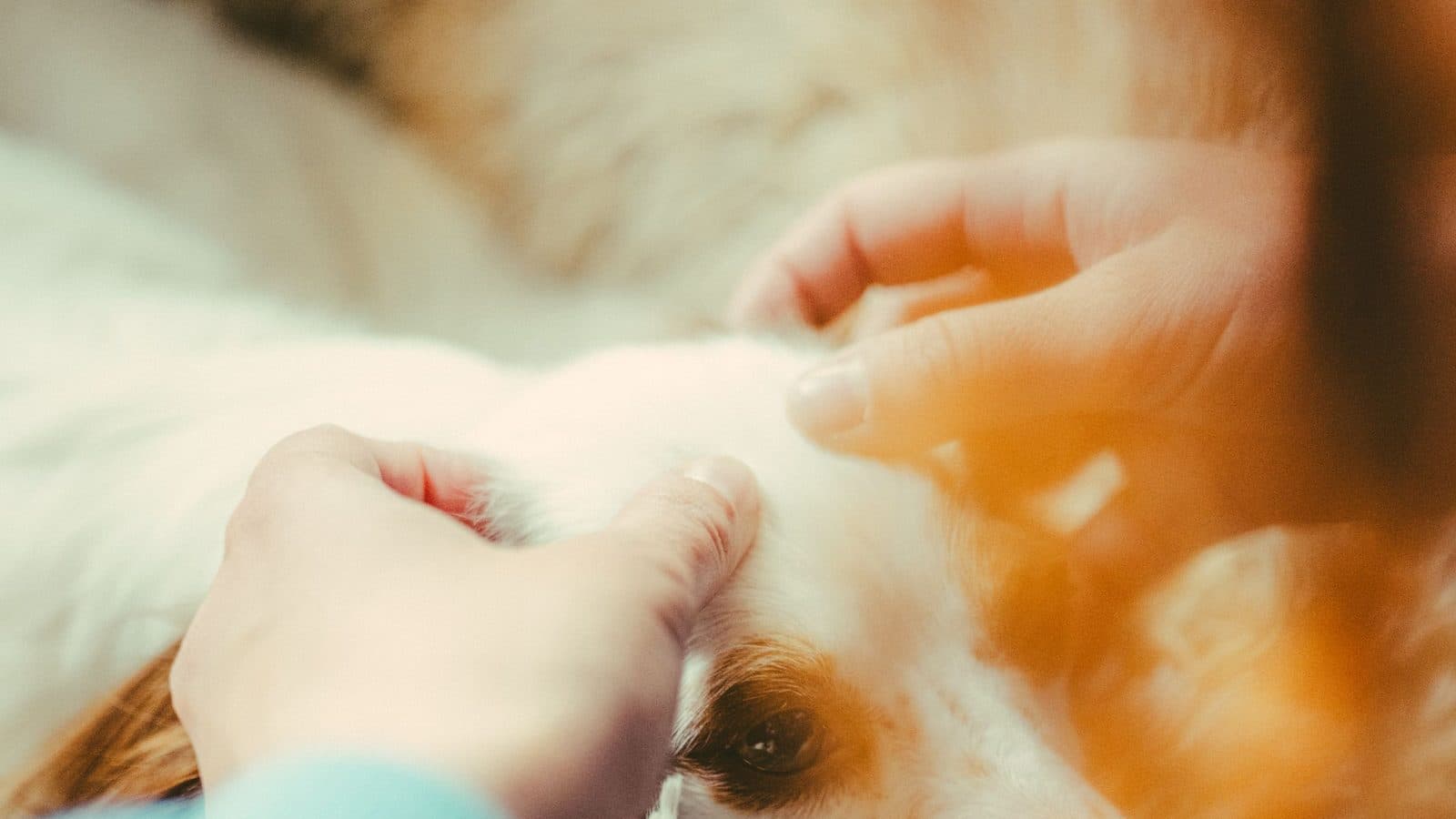
Most limps that start suddenly on a walk are in the foot, and a calm two-minute check at home finds a good share of them. Sit the dog, or wrap the cat in a towel, and work from the toes up:
- Between the pads and toes for a thorn, a grass seed (the arrow- shaped ones that burrow and cause an abscess days later), a stone, a cut, a burn from hot pavement, or tar. Grass seeds are the summer and early-autumn special across southern Europe.
- The pads for a slice, a blister or a flap. A cut pad bleeds a lot and looks dramatic; most heal well if kept clean and rested.
- The nails for a crack or a torn nail, which is intensely painful and the commonest cause of a sudden three-legged dog. A dew claw that has curled into the leg counts.
- Swelling or heat in a toe or the foot, and pain when a single toe is gently squeezed.
- Up the leg: a bee sting on the leg, a tick in the armpit, a swollen joint, heat, or a spot that makes the animal flinch or pull away.
Compare with the other leg. Cats hide all of this well; a cat that resents having a leg handled when it normally would not is telling you something.
Something you can see and deal with, a thorn, a small cut, a broken nail tip with no bleeding, can be cleaned with warm salt water, kept dry, and rested for a couple of days. Anything deep, anything still bleeding after ten minutes of pressure, and anything you cannot find the cause of goes further down this page.
The cruciate limp
The cranial cruciate ligament is the main stabiliser inside the knee (the stifle) of the hind leg, and its rupture is the most common orthopaedic injury in dogs, particularly in medium and large breeds, overweight dogs and dogs over five. Unlike a footballer's, a dog's cruciate usually does not snap in one dramatic moment: it frays over months and gives way in a stretch of ordinary play, so there is often no story.
What it looks like:
- a hind-leg limp, often sudden, that improves a little with rest and comes straight back with exercise;
- a dog that sits with the leg stuck out to the side rather than tucked under (the "positive sit test"), because bending the knee hurts;
- toe-touching on the bad leg when standing;
- over a few weeks, a thickened, hard-feeling knee and a shrinking thigh muscle compared with the other side;
- sometimes a click as the dog walks, from a torn cartilage inside the joint.
A vet confirms it by feeling for the "drawer" movement in the knee, often under sedation, and with X-rays. Treatment for most dogs over about 15 kg is surgery (the TPLO and similar operations, €2,000–€4,500 across Europe), because a knee left unstable wears itself into severe arthritis within a year or two; smaller dogs and cats sometimes do well with strict rest and physiotherapy. Around half of dogs that tear one cruciate tear the other within a couple of years, and weight is the strongest factor you can change.
The reason the cruciate matters in an article about limping is the timing. A cruciate limp in week one looks like a knock. It is the limp that has not gone in ten days, or has come back, that needs the vet's hands on the knee.
The other things a limp can be
- Sprains and soft-tissue strains: the commonest of all, better in a few days with rest.
- Elbow and hip dysplasia, in growing large-breed dogs: a limp that comes and goes, worse after exercise, stiffness after rest, from as young as five months.
- Panosteitis, "growing pains" in young large breeds: a limp that moves from leg to leg over weeks, and passes.
- Luxating patella in small dogs: a hop with the leg held up for a few strides, then normal, then again.
- Arthritis, in older dogs and most older cats: stiffness on rising, worse in cold weather, better once warmed up; in cats it shows as not jumping rather than limping. We wrote about it in the signs of pain cats hide.
- Fractures, after a fall or a car: a leg held up, swelling, obvious pain. Vet now.
- Bite abscesses in cats, a few days after a fight: a hot, painful swelling on a leg, a fever, a cat that stops eating. Very common, very treatable.
- Tick-borne disease, in the Mediterranean: a limp that shifts between legs with fever and lethargy is one of the classic presentations of ehrlichiosis and anaplasmosis, which we covered in ticks, sandflies and leishmaniasis.
- Bone tumours, in older large-breed dogs: a limp that does not respond to rest and painkillers, with a firm swelling on the leg. Rare, and the reason a persistent limp in an older big dog gets an X-ray.
What needs a vet today
- A leg that takes no weight, or is held up, for more than an hour or two.
- A limp after a fall, a car, a fight or a dog-park collision.
- Any swelling, heat, obvious deformity, or a joint that looks wrong.
- Bleeding that does not stop, a deep cut, or something embedded you cannot remove.
- A limp with fever, lethargy or not eating, or a cat that is also hiding.
- A limp with a dragging paw, knuckling (walking on the top of the foot) or weakness in both back legs: that is a nerve or spine problem, not a leg problem, and it is urgent, especially in dachshunds and other long-backed breeds.
- Any limp in a puppy or kitten that lasts more than a day.
What "rest it and see" actually means
For a mild limp with no swelling, no wound and an animal that is otherwise bright, two or three days of rest is a fair trial. But rest means rest: lead walks only, short and slow, for toileting; no stairs, no jumping on and off furniture, no ball, no garden zoomies, no play with the other dog. A dog "resting" in a house with a sofa and a cat is not resting. A crate or a small room for a few days is kinder than it looks.
Do not give human painkillers. Ibuprofen, paracetamol and aspirin cause ulcers and kidney damage in dogs, and paracetamol kills cats. If the animal needs pain relief, that is itself a reason for the vet, who has safe ones.
If it is not clearly better in three days, or is worse at any point, or comes back when normal exercise resumes, book the appointment. Take the video, and the answers to what the vet will ask: when it started, which leg, whether it is worse after rest or after exercise, what you found in the paw, and whether the dog is sitting oddly.
Keep a note
A limp that has happened before is a limp with a history, and the history is what turns "he's a bit stiff" into "the left hind, third time since spring, worse after the beach". A line in the pet's visit log in mypet care each time, with the date and the leg, is the kind of record an orthopaedic vet wishes every owner kept, and it takes ten seconds while the dog is on the sofa with its leg stuck out to the side.