What a dog actually costs per year in Europe — a real budget, line by line
Nearly eight in ten owners underestimate what a pet costs over its life. Here is the honest arithmetic for a medium dog in Europe — the routine lines, the first-year extras, and the three costs that never make it into anyone's budget until they arrive.
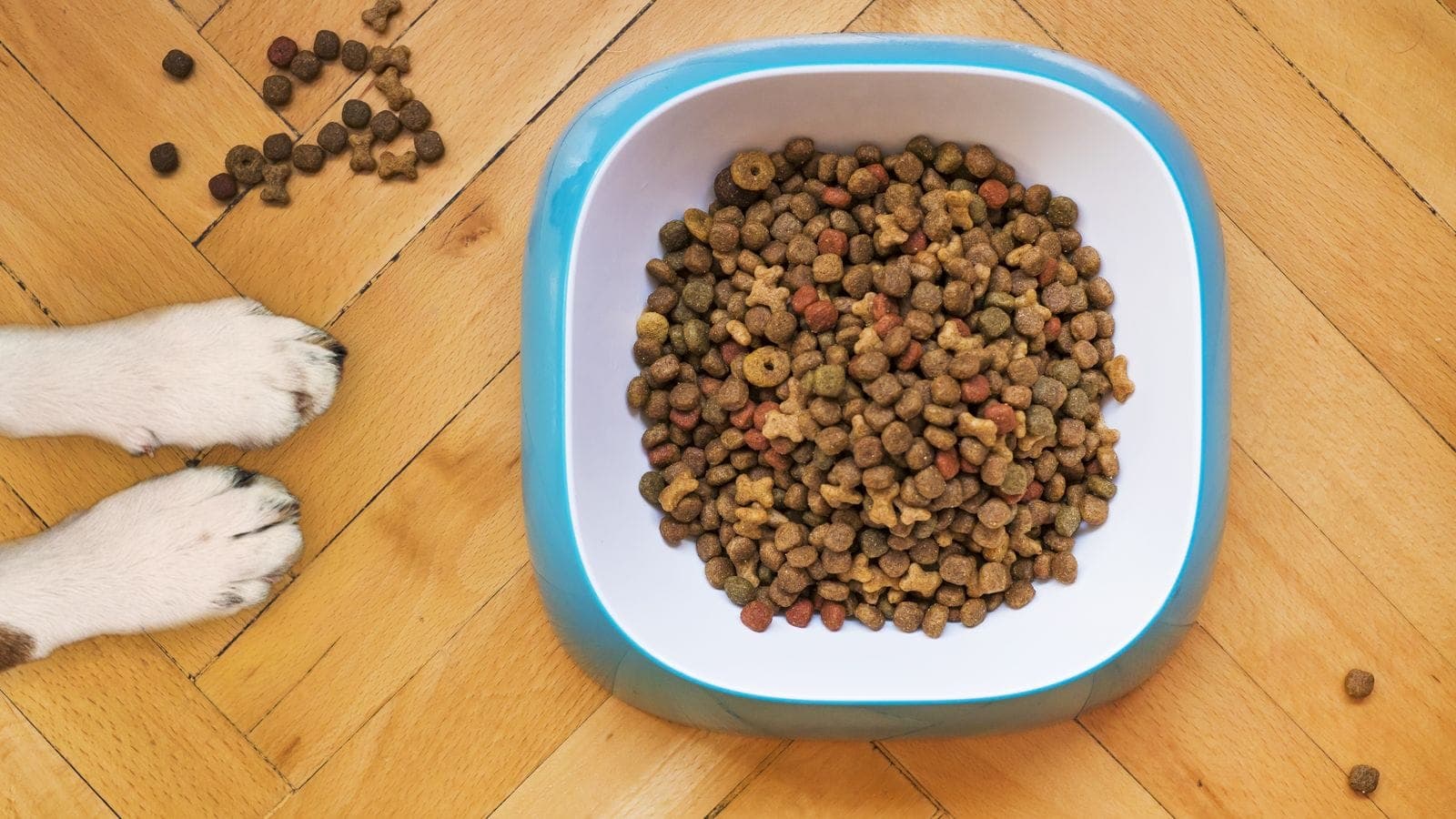
Ask ten dog owners what their dog costs and you will get ten guesses, all low. Studies keep finding the same thing: most people underestimate the lifetime cost of a pet by a wide margin, and one in seven say they struggle to afford both their own needs and their animal's. Nobody budgets for a dog. You fall in love, and the arithmetic arrives later.
So here is the arithmetic. It is for a medium dog — 15 to 25 kilos — in a mid-cost European country, in 2026 prices. A big dog eats more and costs more to medicate; a small one less. Prices are lower in Albania, Poland or Spain and higher in Switzerland, Scandinavia or the UK, but the shape of the budget is the same everywhere, and the shape is the useful part.
The routine lines — what a normal year costs
| Line | Sensible minimum | Typical | Notes |
|---|---|---|---|
| Food | €300 | €600 | Decent dry food. Fresh or premium doubles it. |
| Parasite prevention | €120 | €200 | Flea, tick, worm — monthly. Non-negotiable in the south. |
| Annual check and boosters | €60 | €120 | Once a year. |
| Insurance | €0 | €360 | See below; €20–40 a month is typical for a medium dog. |
| Toys, chews, poo bags, bedding | €60 | €150 | Adds up faster than it looks. |
| Licence / registration | €0 | €100 | Germany's dog tax; some cities elsewhere. |
| Year total | €540 | €1,530 |
That is roughly €45 to €130 a month for a dog that never gets ill and is never left with anyone. Most surveys of actual spending land between €1,200 and €2,500 a year, which tells you how many people are above the "typical" column, not below it.
The first year
Add these once:
| Item | Cost |
|---|---|
| The dog itself | €0 (shelter) to €2,000+ (breeder) |
| Puppy vaccinations, three visits | €150–250 |
| Microchip and registration | €30–60 |
| Neutering | €150–400 (bitches cost more) |
| Bed, crate, bowls, lead, harness, collar | €150–300 |
| Training classes | €100–250 |
So a first year is comfortably €600 to €1,200 more than a normal one, before the dog has had a bad day.
The three lines nobody budgets
This is the part that turns a pet into "pet poverty".
1. The emergency. Sooner or later, every dog has one. A swallowed sock, a torn cruciate ligament, a bloat, a road accident, a sudden illness. A single night at an emergency hospital in western Europe is €500–1,500. A cruciate repair is €2,000–4,000. Chemotherapy or a spinal operation can pass €5,000. This is what insurance exists for — or a savings pot you do not touch. Pick one. "It won't happen to mine" is not a plan.
2. Teeth. Eighty percent of dogs have dental disease by three. A scale and polish under anaesthetic is €200–500; with extractions it can be €800 or more. It is not covered by most insurance. It comes round every few years for dogs whose teeth are not brushed, which is most dogs.
3. Care when you're away. A boarding kennel is €20–40 a night; a sitter in your home €30–60. Two weeks of holiday is €300–800 a year that appears on no "cost of a dog" list and on every owner's card statement in August.
Add a realistic slice of these — say €500 a year averaged — and a medium dog in a normal year is close to €2,000. That matches what people actually spend, and it explains the gap between what they guessed and what happened.
And it goes up
Veterinary fees across Europe have been rising faster than inflation — around 6% a year recently, and far more in some countries. A dog that costs €1,500 a year at two will cost noticeably more at ten, and an old dog needs more of everything: bloods every six months, arthritis medication (€30–80 a month for years), a special diet.
Over a thirteen-year life, that puts a medium dog in Europe at somewhere between €15,000 and €30,000. The UK's PDSA puts the minimum — no illness, no boarding — at £6,200 to £18,800 depending on size, and says plainly that the real figure is higher.
Insurance, or a pot?
Insurance is the line people most often leave blank, and the one most worth thinking about early — because once a dog has a condition, no policy will cover it. The four kinds of policy, and why only one pays for a long illness, are in our insurance piece. The short version: if you could not find €3,000 tomorrow without hardship, insure the dog while it is young and healthy. If you could, a monthly transfer to a separate account does the same job with no exclusions.
What actually helps
- Know what you spend. Most people cannot say within €500. Tracking a year — food, vet, everything — shows where the money goes, and that is usually the food line and the "small stuff" line, both of which are adjustable.
- Buy food by the big bag and prevention by the year. Both are markedly cheaper.
- Brush the teeth. Genuinely the highest-return ten minutes a week in dog ownership.
- Keep the weight down. An overweight dog costs more in food, more in joints, more in years lost. The rib test is free.
- Ask for the estimate. Any vet will give one before treatment. Asking is normal, and it is the moment to ask what is essential and what is optional.
We built the treat and weight trackers into mypet care partly for this reason: the two lines you can most easily influence are what goes in the bowl and what it does to the dog. The rest is a savings pot, a decision about insurance, and a toothbrush.