Heat, light and calcium: the three things that keep a pet lizard alive
Most sick pet lizards are not sick from a germ. They are cold, or short of the light and calcium their bones need, and the damage takes months to show. What a bearded dragon or a leopard gecko actually needs, the bulb that quietly stops working, and the signs a set-up has been wrong for a while.
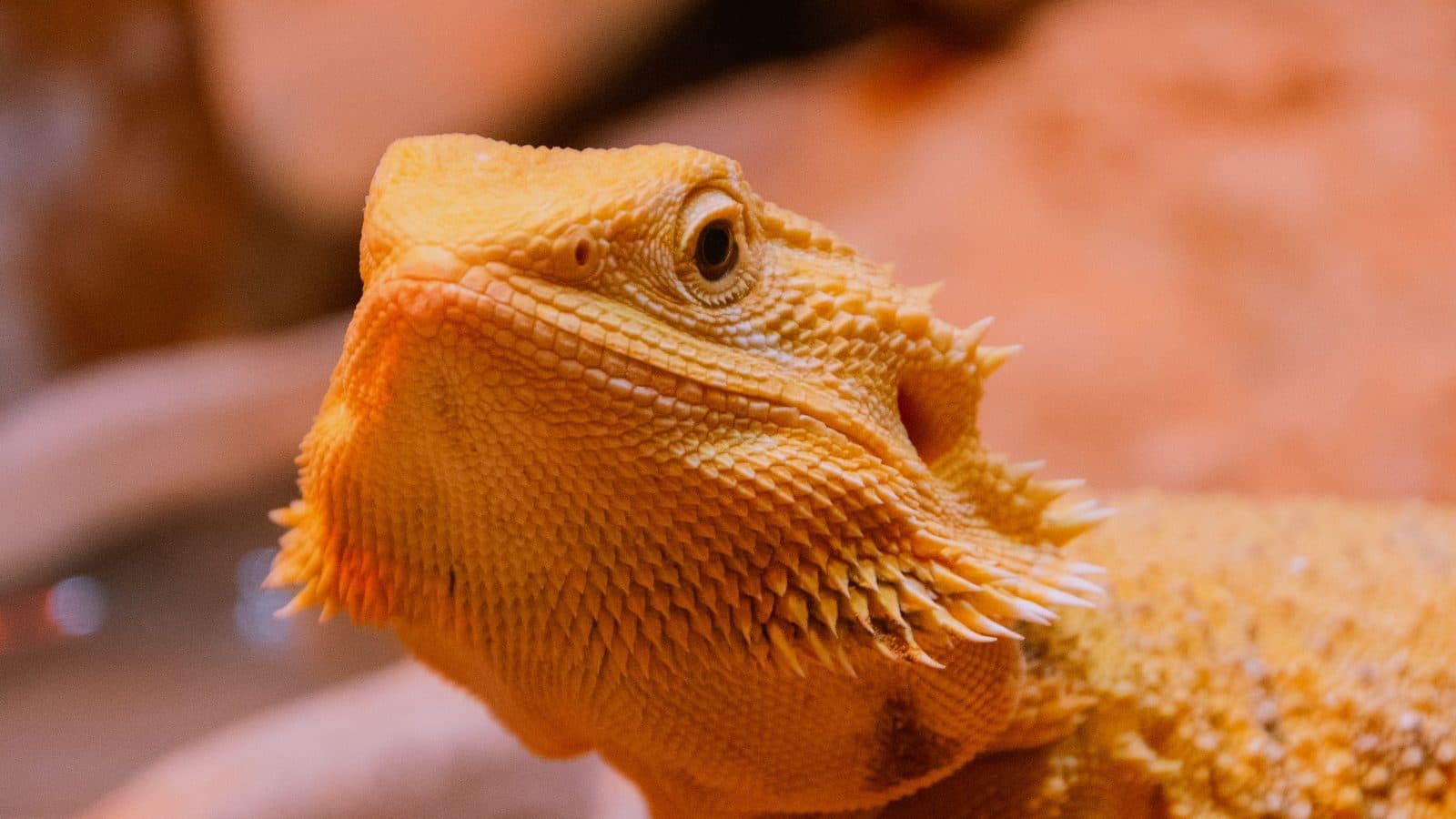
A bearded dragon or a leopard gecko is often sold as an easy first reptile, and in one sense that is true: they are calm, hardy animals that tolerate handling and can live fifteen years. The catch is that almost everything that goes wrong with them goes wrong slowly, from a set-up that was slightly off from the start, and by the time an owner notices, the problem has had months to grow.
Exotic vets say the same thing about the lizards they see: the great majority of illness is husbandry, not infection. It comes down to three things.
Heat: a lizard runs on the temperature you give it
A lizard cannot make its own body heat. Every process in it, digesting a meal, fighting an infection, growing, runs at whatever temperature the animal can reach by moving between warm and cool spots. Give it the wrong temperatures and it does not feel cold the way a dog would; it simply stops working properly.
So a tank needs a gradient, not a temperature: a hot end and a cool end, so the animal can choose.
- Bearded dragon: a basking spot of about 38–42 °C directly under the lamp, a warm side around 30–32 °C, a cool side of 24–26 °C, and a night drop to 18–22 °C, which is fine without heating in most European homes.
- Leopard gecko: a warm floor of 30–33 °C, because geckos take heat through their belly, a cool side around 24 °C, and no need for a bright basking lamp.
Two things about measuring it. The stick-on dial thermometers sold with tanks are wrong by several degrees and measure the glass, not the animal. Use a digital probe thermometer at the basking surface and another at the cool end, and an infrared "point and shoot" gun if you want to check the actual surface a dragon lies on. And check the temperatures again when the seasons change: a tank that was right in July is cold in December next to a window.
Heat rocks, the plug-in stones sold for reptiles, cause deep burns because the animal cannot judge how hot its belly is. Overhead heat, or a heat mat on a thermostat under one third of the floor, are the safe options. A thermostat is not optional: it is what stops a lamp from cooking the animal on a hot afternoon.
Light: the bulb that quietly stops working
This is the one that catches people out, and the one behind the most common serious disease of pet lizards.
Bearded dragons, and most day-active lizards, need UVB light to make vitamin D in their skin, and without vitamin D they cannot absorb calcium from food. No UVB means no usable calcium, however much you dust on the crickets. A tube light labelled "reptile" or "daylight" does not necessarily produce UVB; it must say so, with a percentage, and the right strength depends on the species and how far the animal sits from it.
- Bearded dragon: a high-output UVB tube (often sold as 10–12 %, or as a "desert" tube) running most of the length of the tank, 25–40 cm above the basking spot, with no glass or plastic in between; both block UVB completely.
- Leopard gecko: a night-active species that copes without UVB if the diet is supplemented properly, but a low-output tube (5–6 %) over part of the tank is now standard advice and does them good.
Now the part that matters: a UVB tube stops producing useful UVB long before it stops giving visible light. Most fluorescent UVB tubes need replacing every six to twelve months, and the newer T5 tubes every twelve; the packaging says which. A tube that is two years old looks exactly like a new one and does nothing. Write the date on the tube with a marker when you fit it, and put a reminder in mypet care for the month it needs changing. This single habit prevents more lizard suffering than anything else on this page.
And a light cycle: lamps on for 12–14 hours a day in summer, 10–12 in winter, on a plug-in timer. A lizard under lights all night does not sleep, and a stressed lizard eats less and gets ill.
Calcium: the diet that looks fine and is not
Insects are the wrong shape for a lizard's needs: high in phosphorus, low in calcium. Feed crickets or locusts alone and the balance is inverted, and the animal takes the calcium it needs from its own skeleton.
- Dust the insects with a plain calcium powder (no vitamin D if the animal has good UVB; with a little D3 if it does not) at most feeds for a growing animal and every second or third feed for an adult. A multivitamin dust once a week.
- Gut-load the insects: feed them fresh greens and a proper gut-loading food for a day or two before they go in. An insect is what it ate.
- Bearded dragons are mostly vegetarian as adults. Roughly 70–80 % of an adult's food should be greens and vegetables: rocket, watercress, dandelion, squash, bell pepper, with insects two or three times a week. A dragon fed insects every day at three years old is a fat dragon with bad kidneys. Young dragons are the reverse, mostly insects.
- Leopard geckos eat insects only, and need the dusting to be religious for exactly that reason.
Avoid spinach, kale in quantity, and rhubarb leaves, which bind calcium; avoid fireflies, which are lethal; and avoid mealworms as the main food for any lizard, since they are fatty and their hard skins cause blockages.
What a wrong set-up looks like, months later
The disease all of this prevents is metabolic bone disease: bones that soften because the body has been drawing calcium out of them for months. It is the reason exotic vets see so many young dragons and geckos, and in its early stages it is reversible.
- A jaw that looks soft, swollen or rubbery; a lower jaw that no longer closes neatly.
- Legs that tremble, twitch or bow; a lizard that lies flat with its hind legs splayed instead of holding itself up.
- Lumps along the spine or tail, kinks, a tail that bends.
- Reluctance to climb or bask, dropping food, a gecko that cannot catch a cricket.
- In the end, fractures from normal movement, and seizures.
Other signs that the environment is wrong, before it gets that far:
- Not eating for more than a week or two in a dragon, or losing weight in either species: check temperatures before anything else. Cold lizards do not eat because they cannot digest.
- Stuck shed, particularly on the toes and tail tip in geckos, which can cut off the blood and cost a toe: humidity too low, no moist hide.
- Sunken eyes, wrinkled skin, a gecko's tail that has gone thin: dehydration or a long illness. A leopard gecko's tail is its fat store, and a thin one is a warning.
- Black beard all day, glass-surfing, gaping constantly: stress or heat, or both.
- Lying under the lamp for hours with the mouth open, or never leaving the cool end: the gradient is wrong.
The vet, and why it has to be the right one
A general small-animal practice may see a lizard a few times a year. Find an exotics vet before you need one: in most European cities there are one or two, and the reptile shops and keepers' groups know who they are. Take the animal in a ventilated box with a heat pack wrapped in a towel, and take the set-up with you, in the form of a list: tank size, lamp type and age, the temperatures at both ends measured that morning, what it eats and how often, what you dust with. The vet's first ten questions are those.
A yearly check with a faecal test for parasites is sensible; a new animal should have one at the start, because most pet-shop lizards carry something.
The routine that works
Once the set-up is right, keeping a lizard well is a small routine that mostly consists of not letting things drift:
- temperatures checked with a digital probe weekly, and after every change of season;
- the UVB tube replaced on the date written on it, every six to twelve months;
- insects dusted and gut-loaded; greens daily for an adult dragon;
- a weight once a month on kitchen scales, in a tub, and written down: a steady weight is the best evidence that all three things above are right, and a slow drop is the earliest sign that one of them is not.
The weight log and the tube-change reminder are exactly what a pet profile in mypet care is for; a lizard goes in under "other", and the reminders and the weight chart work the same as for a dog.